The Complete Guide to Landing Your First Remote Job
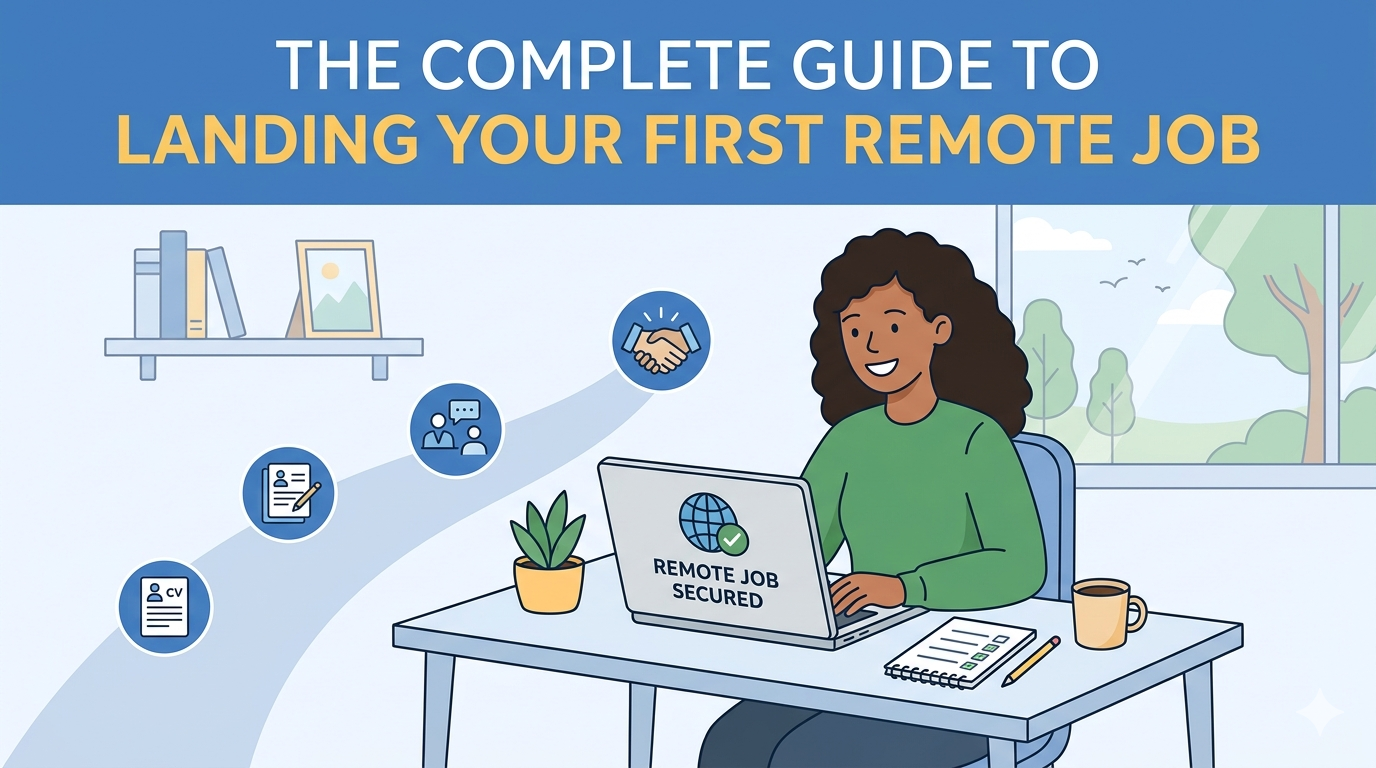
The Complete Guide to Landing Your First Remote Job
Landing your first remote job can feel difficult, especially when you’re just starting out and don’t have experience yet. Many beginners apply to multiple jobs and get no response, which can be discouraging.
But here’s the truth: getting your first remote job is not about luck—it’s about following the right process.
If you’ve been following this series, you already have a strong foundation. You understand what remote jobs are and how they work:
👉 What Are Remote Jobs? A Beginner’s Guide for Nigerians
You’ve also learned how to start even without experience:
👉 How to Start Working From Home With No Experience
And you now understand the difference between remote jobs and freelancing, which helps you choose your path:
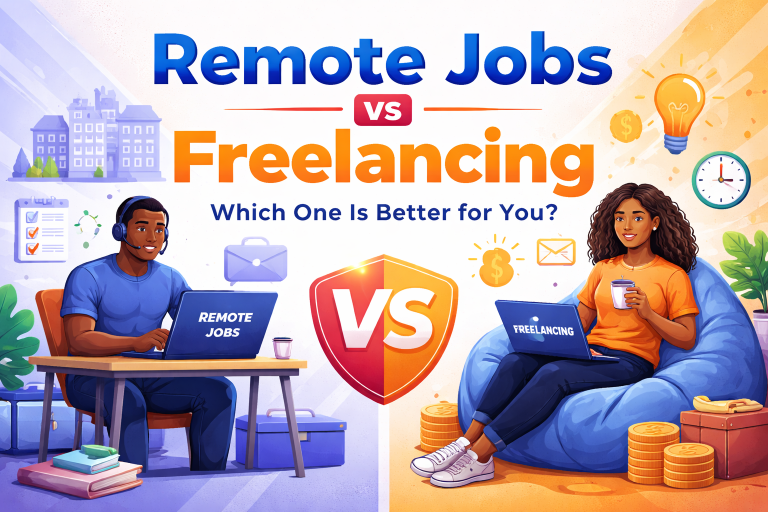
👉 Remote Jobs vs Freelancing: Which One Is Better for You?
Now, this guide will show you exactly how to move from learning to actually getting hired.
Step 1: Choose One Clear Job Path
One of the biggest mistakes beginners make is trying to apply for everything.
Instead of applying randomly, choose one specific path such as:
- Customer support
- Virtual assistant
- Data entry
- Content writing
Focusing on one path helps you:
- Learn faster
- Apply more confidently
- Match job requirements better
Clarity increases your chances of getting hired.
Step 2: Build Basic Skills First
Before applying, make sure you have basic skills related to your chosen path.
You don’t need to be an expert, but you should understand:
- How the job works
- The tools involved
- Basic tasks you’ll perform
If you’re not sure what skills to learn, your next guide will break it down clearly:
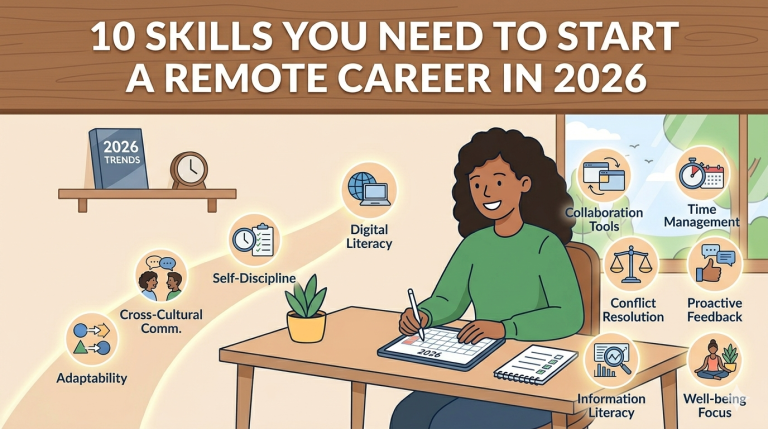
👉 10 Skills You Need to Start a Remote Career in 2026
Step 3: Create a Simple but Strong CV
Your CV is your first impression. Even if you don’t have experience, you can still create a strong one.
Include:
- Your contact details
- Your skills
- Any relevant knowledge
- Practice work or personal projects
Avoid:
- Long unnecessary details
- Poor formatting
- Grammar mistakes
A clean, simple CV works better than a complicated one.
Step 4: Prepare Sample Work (Very Important)
If you don’t have experience, create your own.
For example:
- A virtual assistant can create a sample schedule
- A writer can write 2–3 articles
- A data entry beginner can create sample spreadsheets
This shows employers:
“I may be new, but I can do the job.”
Step 5: Apply the Right Way (Not Randomly)
Many beginners apply to 50 jobs with no success because they apply the wrong way.
Instead:
- Apply to jobs that match your skill level
- Read job descriptions carefully
- Customize your application
Avoid copying and pasting the same message everywhere.
Step 6: Write Better Application Messages
Your application message matters more than you think.
Keep it:
- Short
- Clear
- Relevant
Example structure:
- Introduce yourself
- Mention the role
- Explain briefly why you fit
- Show willingness to learn
Employers don’t want long stories—they want clarity.
Step 7: Use the Right Platforms
To land your first remote job, you need to be on the right platforms.
Start with:
- Freelance platforms (for beginners)
- Job boards
Don’t rely on one platform—explore multiple options.
Step 8: Be Consistent With Applications
You may not get a response immediately, and that is normal.
What matters is:
- Applying daily
- Improving your approach
- Learning from each attempt
Most people give up too early. Consistency is what separates successful beginners from frustrated ones.
Step 9: Prepare for Simple Interviews
Once you start getting responses, you may be invited for interviews.
Basic preparation includes:
- Understanding the role
- Practicing common questions
- Being confident and honest
You don’t need to be perfect—you just need to be clear and genuine.
Step 10: Start Small and Grow
Your first job may not be perfect. It might be:
- Low-paying
- Short-term
- Simple tasks
That is completely normal.
The goal of your first job is:
- Experience
- Confidence
- Proof of work
From there, you grow.
Common Mistakes to Avoid
Many beginners delay their success because of these mistakes:
- Waiting too long before applying
- Trying to learn everything at once
- Applying without preparation
- Ignoring small opportunities
- Expecting instant results
Avoid these, and you’ll move faster than most.
How This Fits Into Your Journey
At this stage, your path is becoming clearer.
You’ve learned:
- What remote jobs are
- How to start with no experience
- The difference between remote jobs and freelancing
- How to land your first job
Now, the next step is to strengthen your foundation with the right skills.
Next Step in Your Learning Journey
To increase your chances of getting hired faster, you need to understand the exact skills employers are looking for.
👉 Next, read:
10 Skills You Need to Start a Remote Career in 2026
Final Thoughts
Landing your first remote job is not about being perfect—it’s about being prepared and consistent.
Start with one path, build basic skills, apply the right way, and stay patient. Your first opportunity may take time, but once you get it, everything becomes easier.
The most important thing is to take action and keep going.